Extended waiting times for loading or unloading are not an isolated issue of individual countries, but a global challenge for road freight transport. Drivers are the first to feel the impact—delays prevent them from organizing their mandatory breaks and rest periods, continuing their journeys, or simply finishing a route and going home. Waiting time represents a significant portion of transport operating costs—while kilometers driven generate value, every hour of standstill directly reduces carriers’ profitability.
The fact that some countries have introduced financial compensation when a truck waits longer than a defined period shows an awareness of the economic justification for addressing this problem.
Nevertheless, negative practices seem difficult to eradicate.
A fee of €100 for every hour of waiting for loading or unloading—beyond the prescribed 90 minutes—has caused major turbulence in Italy in recent months. Although the Ministry of Transport recently confirmed in writing that the fee is mandatory and non-negotiable, transport companies claim that some clients are blackmailing them by demanding they sign contracts that directly contradict the law and “voluntarily” waive the compensation.
The FIAP association (Federazione Italiana Autotrasportatori Professionali) was forced to turn to the competition authority. They are calling for an investigation into unfair business practices. Compliance with the law is uneven, and certain parts of the supply chain are actively resisting its implementation, Italian carriers claim.
Whether regulating this area by law is the right solution—and how much the regulation has contributed to solving the problem—time will tell. Some experts in transport and logistics believe that state measures can place excessive pressure on the “other side,” which is itself struggling with various challenges.
This type of compensation was first introduced in Europe by Portugal, which at the end of what is now the rather distant year 2021 prescribed that waiting time at loading docks may not exceed two hours. In the following years, Spain joined with similar regulations, and in the meantime Italians also decided they would no longer wait for free.
Why are loadings delayed?
Long waiting periods for loading or unloading are influenced by multiple factors. Among the most commonly identified are insufficient planning and poor synchronization between inbound and outbound cargo flows in logistics centers, a lack of loading docks and available staff, as well as inefficient management of documentation related to delivery and dispatch.
How much does waiting really cost?
Although analysts’ estimates differ, they agree on one thing: it costs a lot.
Let’s start with the Italians mentioned earlier.
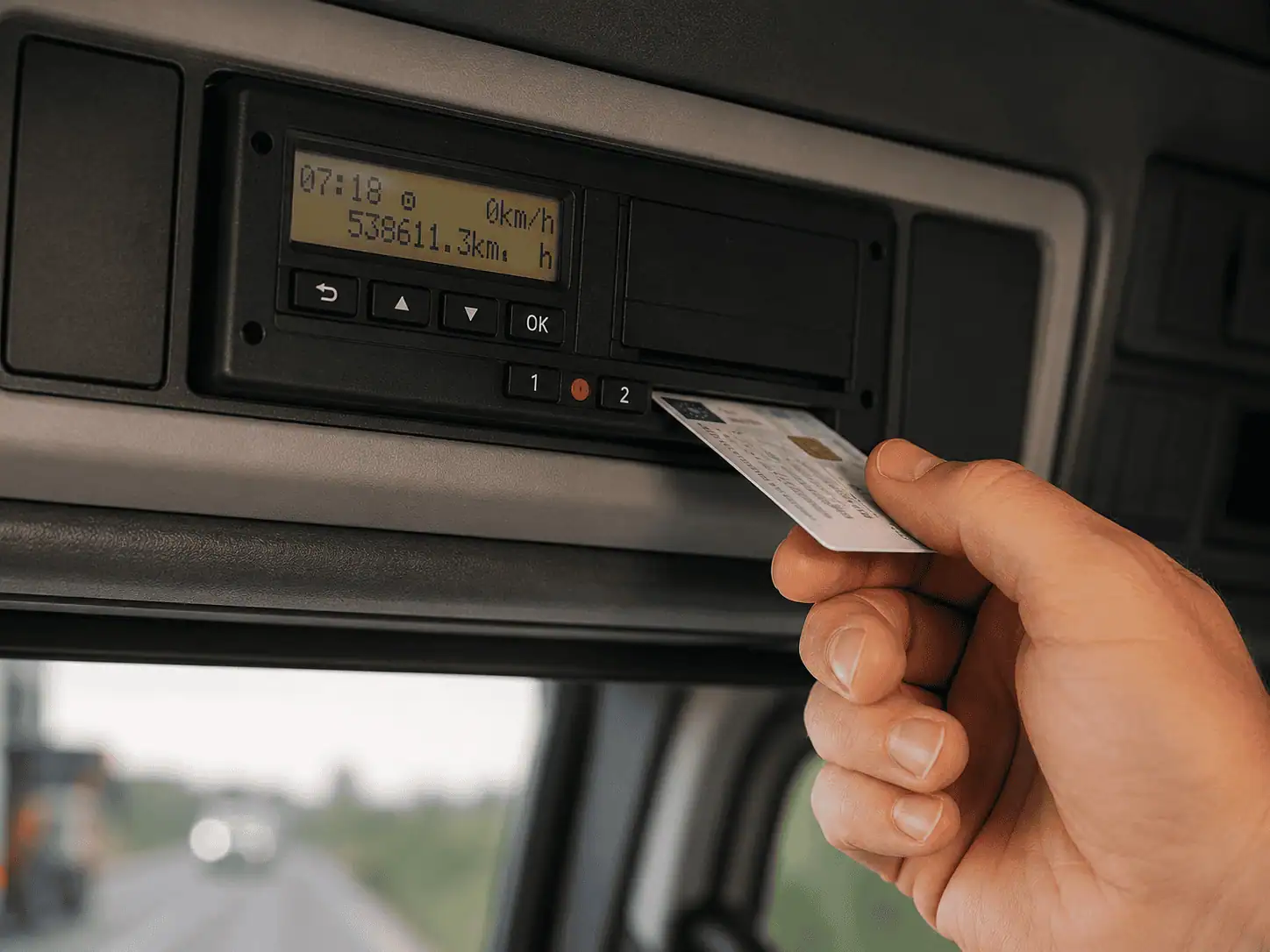
The Fedetrasporti research center previously analyzed satellite and tachograph data and arrived at alarming figures. The average daily working time of drivers during the observed period was 11 hours and 28 minutes, of which: 6 hours and 18 minutes driving, 35 minutes on breaks, and as much as 4 hours and 35 minutes waiting for loading and unloading. Adding up drivers’ wages, the cost of lost vehicle productivity, and losses due to delays, experts estimated that the entire road transport industry in Italy loses around €3 billion annually.
The situation is similar in Poland, where one recent analysis states that drivers in many transport companies spend only about 75% of their working time driving, whereas optimal utilization today should be 90–95%.
The situation is not great in Germany either, although it seems to be improving, at least slightly. Regular delays during loading at retail distribution centers were reported by 86% of respondents in 2022, and by 72% last year.
That waiting is not an isolated problem of a single country is also confirmed by an analysis conducted by the Truckers Life foundation, which examined what truck drivers in Europe most frequently complain about when working at logistics centers. Drivers primarily evaluated facilities in Poland, but also in Germany, the Netherlands, France, Spain… As the most problematic issues, truckers highlighted failure to respect agreed loading/unloading times, long waits to enter sites, and a lack of concrete information about delays. These are followed by long searches for parking spaces, poor communication with staff in logistics (production) centers, a lack of sanitary facilities, and more.
What is the solution?
Although the recipes for reducing waiting times seem logical (time-slot booking, clear protocols, etc.), practice shows that it is not so simple. Transport is a “living system” and cannot always be planned down to the last detail, as many factors can cause disruptions, delays, and schedule shifts. In addition, labor shortages are not a problem affecting only transport companies, but also operators of logistics and production centers.
If we had to propose a universal solution to reduce waiting times, it would be a combination of two key factors: leveraging the benefits of modern technologies (various applications for planning and scheduling time slots, tracking software solutions, automated intralogistics systems, etc.) and good communication and cooperation among all participants in the supply chain. Timely sharing of information about delays, the ability to adjust time slots, and mutual understanding of all parties’ interests would undoubtedly contribute significantly to reducing waiting times and increasing the overall efficiency of the transport process.